Loose Connection or Failing Fixture: Identifying the Cause of Light Flicker
@mycurrentmatters
Flickering lights can be more than just a minor annoyance. They often signal an underlying issue that, if left unchecked, could lead to bigger problems. When you notice a light flickering, the question is usually whether the cause is something simple, like a loose bulb, or something more complex, like a problem with the circuit wiring. Understanding the difference between a loose connection and a failing fixture is the first step toward a reliable fix.
Many homeowners and business occupants see flickering and assume the light bulb is dying. While that is one possibility, the source of the flicker can be traced to several points in the electrical system. The light fixture itself, the connection at the switch, or even the larger circuit serving the room can all play a part. Knowing where to look helps you decide whether a quick bulb change will solve it, or if you need professional help. This article compares the two most common culprits: a loose connection somewhere in the circuit and a fixture that is simply worn out.
How a Loose Connection Causes Flicker
A loose connection means that somewhere between the breaker panel and the light bulb, a wire is not making solid contact. This can happen at the light switch, inside the junction box above the ceiling, or at the point where the fixture connects to the house wiring. Even a tiny gap can cause the current to arc, producing a flicker that varies with movement or vibration in the building.
Loose connections are often intermittent. The light may flicker only when someone walks across the floor, when a door closes, or when the wind blows against the house. This is because the physical movement is enough to break and remake the contact. If the flicker is random and seems tied to activity, a loose connection is a strong suspect. The danger with a loose connection is that arcing generates heat, which can damage wire insulation and, in extreme cases, create a fire hazard. If you suspect a loose connection, it is wise to have a professional inspect the involved circuit.
Common Locations for Loose Connections
- At the light switch: wires can loosen over time, especially if the switch is used frequently.
- Inside the junction box: wire nuts can come undone if they were not tightened properly during installation.
- At the fixture itself: the connection between the house wiring and the fixture wires can loosen with age or vibration.
Each of these spots requires a different approach for repair. A loose wire nut in a junction box may be a quick fix for a qualified electrician, while a loose connection inside a switch often means replacing or reseating the switch. The key point is that a loose connection is a mechanical problem with the wiring, not necessarily with the bulb or the fixture itself.

When the Fixture Is the Problem
A failing fixture is different. In this case, the wiring is sound, but the fixture itself has a defect or has reached the end of its service life. This can happen with older fixtures where the internal components degrade, or with newer fixtures that have a manufacturing flaw. Common signs include a flicker that is steady and rhythmic, or a flicker that happens every time the light is turned on, regardless of movement or load changes.
Fixtures that use a built-in driver, such as many LED models, are particularly prone to failure of that component. The driver converts household AC power to the low-voltage DC that the LEDs need. If the driver starts to fail, the light may flicker, dim, or even stop working entirely. In this case, replacing the fixture is often the only practical solution. Trying to repair a failed driver is usually not worth the time or cost, and a new fixture will be more reliable.
Voltage Fluctuation and Other Factors
Sometimes the flicker is not caused by a loose connection or a bad fixture, but by a voltage fluctuation in the home's electrical supply. This can happen when a large appliance, such as a refrigerator or air conditioner, cycles on and off. The sudden draw of power can cause a momentary dip in voltage, which makes lights flicker. This is more common in older homes with smaller electrical panels, but it can happen anywhere. If the flicker coincides with the operation of a major appliance, the issue may be at the service panel rather than at the light itself.
Another factor is the dimmer switch. Not all LED bulbs are compatible with older dimmer switches. If you have a dimmer and the lights flicker only when they are dimmed, the switch may need to be replaced with a model designed for LEDs. This is a relatively simple fix, but it requires matching the dimmer to the specific bulbs you are using.
How to Compare: Loose Connection vs. Failing Fixture
To decide which problem you have, start by observing the flicker pattern. A loose connection usually produces an erratic flicker that changes with physical movement or vibration. A failing fixture tends to produce a more consistent flicker that happens every time the light is on, often with a visible dimming or pulsing. You can also try swapping the bulb with a known good one. If the flicker stops, the bulb was the issue. If it continues, the problem is in the fixture or the wiring.
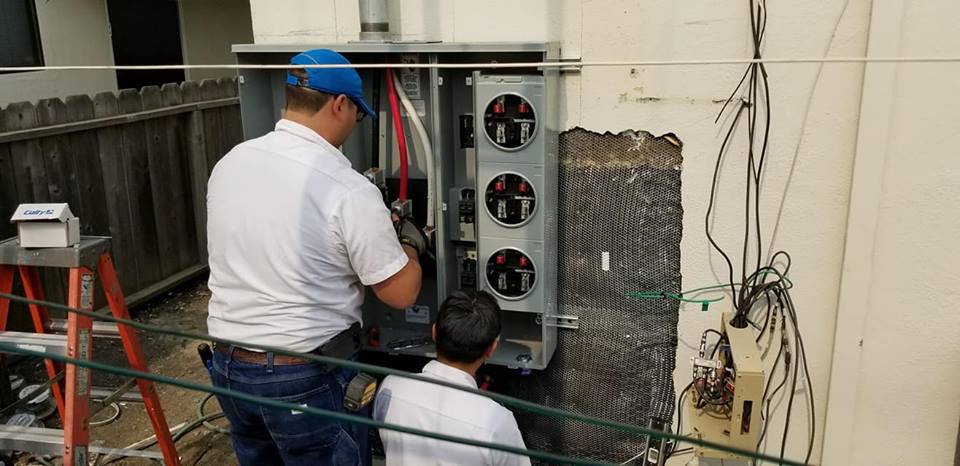
Next, check the switch. If the flicker stops when you jiggle the switch, the connection at the switch is likely loose. If the flicker persists regardless of the switch position, the fixture itself is more likely the culprit. Professional electricians often start with these simple tests before opening up walls or junction boxes. In many cases, repairs for flickering light circuits involve tightening a wire connection or replacing a worn switch, both of which are straightforward for a qualified person.
For a failing fixture, the repair is usually replacement. This is not a DIY task for anyone uncomfortable with basic electrical work, but many homeowners can handle it with the power off. However, if the fixture is hardwired into a junction box that you cannot easily access, calling a professional is the safest route. The same applies if the fixture is part of a larger circuit that serves multiple lights, as the wiring may be more complex.
When to Call a Professional
While some flickering causes are easy to identify and fix, others require the expertise of a licensed electrician. If you have checked the bulb, the switch, and the fixture, and the flicker persists, the problem may be in the circuit wiring. This is especially true if multiple lights in the same room or on the same circuit are flickering. A professional can test the circuit for loose connections, check the voltage at various points, and ensure that all connections are secure. In many homes, repairs for flickering light circuits are best left to someone with the right tools and experience, as the work involves opening up walls or ceiling access.
Another reason to call a professional is if you smell burning plastic or see discoloration around a switch or fixture. That indicates overheating, which can be a sign of a loose connection drawing current across a gap. This is a serious fire hazard and should be addressed immediately. Turn off the circuit at the breaker and call an electrician. Do not use the light until the issue is resolved.
Preventive Measures
Once you have resolved the flicker, you can take steps to prevent it from returning. Use bulbs that are compatible with your fixtures and dimmers. Tighten connections when you install new fixtures or switches, but do not overtighten, as that can damage the wires. If you live in an older home, consider having the entire electrical system inspected by a professional. Aging wiring can develop loose connections over time, and a thorough check can catch problems before they cause flickering or other issues.

For new installations, choose fixtures that are well-reviewed and built with quality components. Cheap fixtures often have poor internal wiring or weak drivers that fail early. Spending a little more upfront can save you the hassle of frequent replacements. Similarly, if you are installing a dimmer, pay attention to the load rating and compatibility with LED bulbs. A mismatched dimmer is a common source of flicker that is easy to avoid.
In the end, comparing a loose connection to a failing fixture comes down to observation and a bit of detective work. A loose connection is a wiring problem that can be fixed by securing the contact. A failing fixture is a hardware problem that usually calls for replacement. Both are manageable with the right approach, and knowing the difference helps you get the light working properly again without unnecessary expense or risk.